
Angiography, Ballooning (Angioplasty) and Stenting
In many cases, after balloon angioplasty, a stent is placed to ensure the artery remains open over time. A stent is a small, mesh-like tube that supports the artery walls and reduces the likelihood of re-narrowing (restenosis). Depending on the patient’s condition, stents can be made of bare metal or drug-eluting materials that slowly release medication to prevent plaque buildup.
Stenting is commonly performed in arteries supplying critical organs such as the heart, brain, kidneys, and limbs. It not only maintains long-term blood flow but also enhances the overall effectiveness of angioplasty. For many patients, the combination of angioplasty and stenting provides lasting relief from symptoms and minimises the need for repeat procedures.
Understanding Angiography
Angiography is a specialised imaging technique used to evaluate the condition of blood vessels. It helps identify both normal and abnormal vessel conditions, including narrowing or obstruction of the arteries, aneurysmal widening, and other vascular abnormalities. It is also useful for detecting tumour-related vascular involvement, arteriovenous malformations (AVM), arteriovenous fistulae (AVF), or sources of internal bleeding.
During angiography, a contrast dye is injected into the blood vessels, making them visible on X-ray. This procedure is performed under local anaesthesia in a dedicated vascular Cath Lab using advanced imaging equipment. Angiography can be performed on arteries in the legs, arms, or neck, depending on the patient’s condition and diagnostic needs.
Following angiography, if a blockage or narrowing is detected, treatment options such as balloon angioplasty and stenting may be performed. Balloon angioplasty involves inflating a small balloon within the narrowed artery to restore blood flow, while stenting places a tiny mesh tube to keep the artery open. These procedures are minimally invasive and can significantly improve circulation, reduce symptoms, and prevent serious complications.
Angiography is a specialised imaging technique that allows doctors to visualize blood vessels in detail. By using a contrast dye and X-ray imaging, angiography helps identify a wide range of vascular conditions, including narrowed or blocked arteries, aneurysms, arteriovenous malformations (AVM), fistulae (AVF), and sources of internal bleeding. It is also commonly used to assess vascular involvement in tumours, providing critical information for treatment planning.
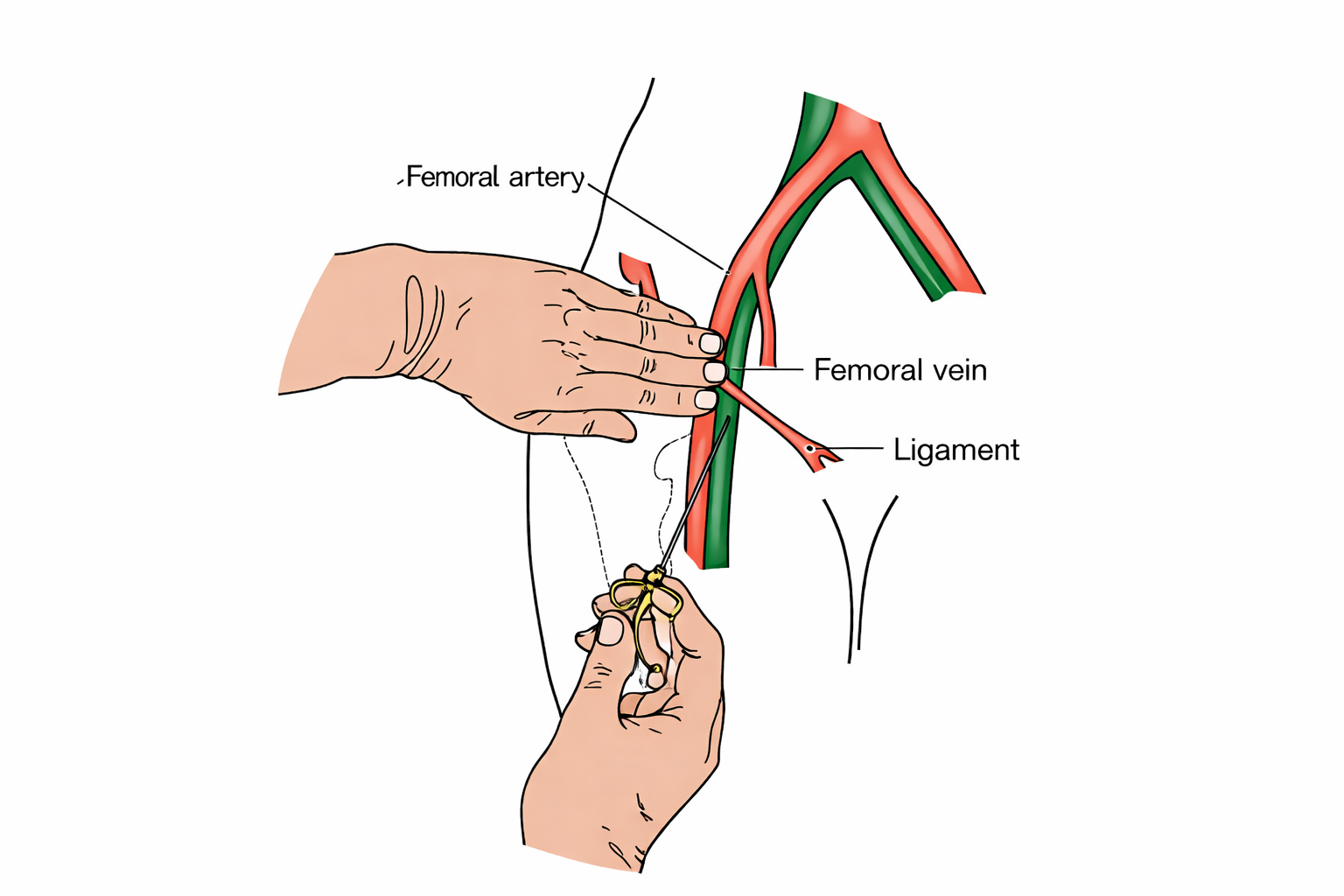
The procedure is performed under local anaesthesia, usually in a dedicated vascular catheterisation (Cath) lab. A thin catheter is inserted into an artery, most often in the leg, arm, or neck. The contrast dye highlights the vessels, allowing real-time imaging to detect areas of narrowing, obstruction, or abnormal widening. One of the advantages of angiography is its minimally invasive nature, which reduces recovery time, lowers the risk of complications compared to open surgery, and provides highly accurate diagnostic information.
Ballooning (Angioplasty)
Once angiography identifies a narrowed or blocked artery, balloon angioplasty can be performed to restore blood flow. During this procedure, a small balloon attached to a catheter is inserted into the affected artery and inflated, pressing plaque against the artery walls and widening the vessel. This improvement in blood flow can relieve symptoms such as leg pain, fatigue, swelling, or shortness of breath, depending on the location of the blockage.
Balloon angioplasty is a crucial intervention for patients with peripheral artery disease (PAD), coronary artery disease, or carotid artery narrowing. By reopening arteries, it helps prevent tissue damage due to poor circulation and significantly reduces the risk of serious complications like heart attacks, strokes, or limb ischemia.
Stenting
In many cases, after balloon angioplasty, a stent is placed to ensure the artery remains open over time. A stent is a small, mesh-like tube that supports the artery walls and reduces the likelihood of re-narrowing (restenosis). Depending on the patient’s condition, stents can be made of bare metal or drug-eluting materials that slowly release medication to prevent plaque buildup.
Stenting is commonly performed in arteries supplying critical organs such as the heart, brain, kidneys, and limbs. It not only maintains long-term blood flow but also enhances the overall effectiveness of angioplasty. For many patients, the combination of angioplasty and stenting provides lasting relief from symptoms and minimises the need for repeat procedures.
Benefits of Angiography, Ballooning, and Stenting
In many cases, after balloon angioplasty, a stent is placed to ensure the artery remains open over time. A stent is a small, mesh-like tube that supports the artery walls and reduces the likelihood of re-narrowing (restenosis). Depending on the patient’s condition, stents can be made of bare metal or drug-eluting materials that slowly release medication to prevent plaque buildup.
Stenting is commonly performed in arteries supplying critical organs such as the heart, brain, kidneys, and limbs. It not only maintains long-term blood flow but also enhances the overall effectiveness of angioplasty. For many patients, the combination of angioplasty and stenting provides lasting relief from symptoms and minimises the need for repeat procedures.
Post-Procedure Care and Recovery
After the procedure, careful monitoring and follow-up are essential for long-term success. Patients may be prescribed antiplatelet medications to prevent clot formation in the treated arteries or stents. Adopting lifestyle modifications, including a heart-healthy diet, regular exercise, smoking cessation, and weight management, is crucial to maintain vascular health. Follow-up visits help ensure that blood flow remains optimal, stents function properly, and any early signs of re-narrowing are addressed promptly.
Conclusion
Angiography, Ballooning (Angioplasty) and Stenting are transformative procedures in the management of vascular diseases. They enable precise diagnosis, effective treatment, and prevention of life-threatening complications. Patients experiencing symptoms such as leg pain, swelling, chest discomfort, or reduced limb function should consult a vascular specialist promptly. With timely intervention, expert care, and proper follow-up, these procedures can significantly improve blood circulation, relieve symptoms, and support long-term cardiovascular and limb health.