
Surgery for Varicose Veins
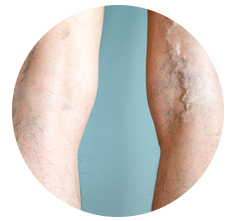
Varicose veins are enlarged, twisted, and visible veins that commonly appear in the legs. They may cause discomfort, swelling, heaviness, or, in severe cases, skin ulcers. Managing varicose veins depends on the severity of the condition, and treatment options range from lifestyle modifications to minimally invasive procedures.
One of the most advanced treatments is Endovenous Radiofrequency Ablation (RFA), which is an ideal day-care procedure for veins with incompetent valves. This minimally invasive technique closes the affected vein using heat energy, restoring healthy blood flow without the need for large cuts.
In some cases, RFA may be combined with foam sclerotherapy or phlebectomy to treat smaller surface veins or additional varicosities. Foam sclerotherapy involves injecting a special solution into the vein to seal it, while phlebectomy removes targeted veins through tiny punctures. These combined approaches allow comprehensive treatment without traditional surgery.
Along with medical procedures, lifestyle changes such as regular exercise, leg elevation, maintaining a healthy weight, and wearing compression stockings can help manage symptoms and prevent progression.
The primary goals of varicose vein treatment are to relieve discomfort, prevent complications such as ulcers or bleeding, and improve the cosmetic appearance of the legs. With early evaluation and modern minimally invasive procedures, patients can achieve long-term relief and improved quality of life.
Modern Treatment Approach
The management of varicose veins depends on the severity of the condition and the symptoms experienced by the patient. Mild cases may improve with lifestyle changes such as regular exercise, leg elevation, weight control, and the use of compression stockings. However, when symptoms persist or complications develop, medical or surgical intervention becomes necessary.
One of the most advanced and effective treatments available today is Endovenous Radiofrequency Ablation (RFA). This procedure is considered an ideal day care treatment for varicose veins caused by incompetent valves. It is minimally invasive and avoids the need for traditional open surgery.
Endovenous Radiofrequency Ablation (RFA)
Radiofrequency ablation works by delivering controlled heat energy inside the affected vein using a thin catheter. This heat causes the vein to collapse and seal shut, allowing blood to naturally redirect to healthier veins.
RFA is performed under local anaesthesia and does not require surgical cuts or stitches. Patients are usually able to walk immediately after the procedure and return to normal activities within a short time. This makes it a preferred option for patients seeking effective treatment with minimal downtime.
Additional Procedures for Complete Treatment
In some cases, radiofrequency ablation may be combined with other treatments to achieve optimal results. Foam sclerotherapy involves injecting a special solution into smaller varicose veins, causing them to close and fade. Phlebectomy, a procedure where small surface veins are removed through tiny punctures, may also be performed when required. These combined techniques allow comprehensive treatment without major surgery or scars.
Benefits of Surgical and Minimally Invasive Treatment
Surgery and minimally invasive procedures for varicose veins aim to relieve symptoms, prevent complications such as ulcers or bleeding, and improve the cosmetic appearance of the legs. Patients often experience reduced pain, swelling, and heaviness after treatment, along with better mobility and quality of life.
Conclusion
Surgery for varicose veins, especially modern techniques like endovenous radiofrequency ablation, offers safe and effective relief from symptoms while avoiding traditional surgical cuts. Treatment plans are individualised based on disease severity and patient needs. Early evaluation and timely intervention help prevent complications and ensure healthier legs. Patients experiencing persistent leg pain, swelling, or visible veins should consult a vascular specialist for an appropriate diagnosis and treatment.