
Doppler Scan
A Doppler scan is a non-invasive imaging technique used to evaluate blood flow in the arteries and veins. It is similar to a standard ultrasound (USG) but provides additional information about the movement of blood within the vessels.
This investigation is particularly useful for detecting peripheral vascular disease (PVD), arterial blockages, and deep vein thrombosis (DVT). By measuring the changes in the frequency (pitch) of the reflected sound waves, a Doppler ultrasound can estimate the speed and direction of blood flow, helping doctors identify areas of reduced or abnormal circulation.
The procedure is safe, painless, and does not involve any incisions or radiation. It is commonly performed to assess blood vessel health, diagnose vascular conditions early, and guide appropriate treatment plans.
Role of Doppler Scan in Vascular Conditions
A Doppler scan is commonly used to detect peripheral vascular disease (PVD), where experience leg pain while walking, numbness, cold feet, or slow-healing wounds. Doppler imaging helps identify the location and severity of arterial blockages, enabling timely treatment and preventing complications such as tissue damage or limb loss.
This investigation is also extremely valuable in diagnosing deep vein thrombosis (DVT). DVT occurs when a blood clot forms in a deep vein, usually in the leg, which can lead to swelling, pain, and serious complications if the clot travels to the lungs. A Doppler scan can confirm the presence of clots by detecting altered or absent blood flow in the affected veins.
How the Doppler Scan is Performed
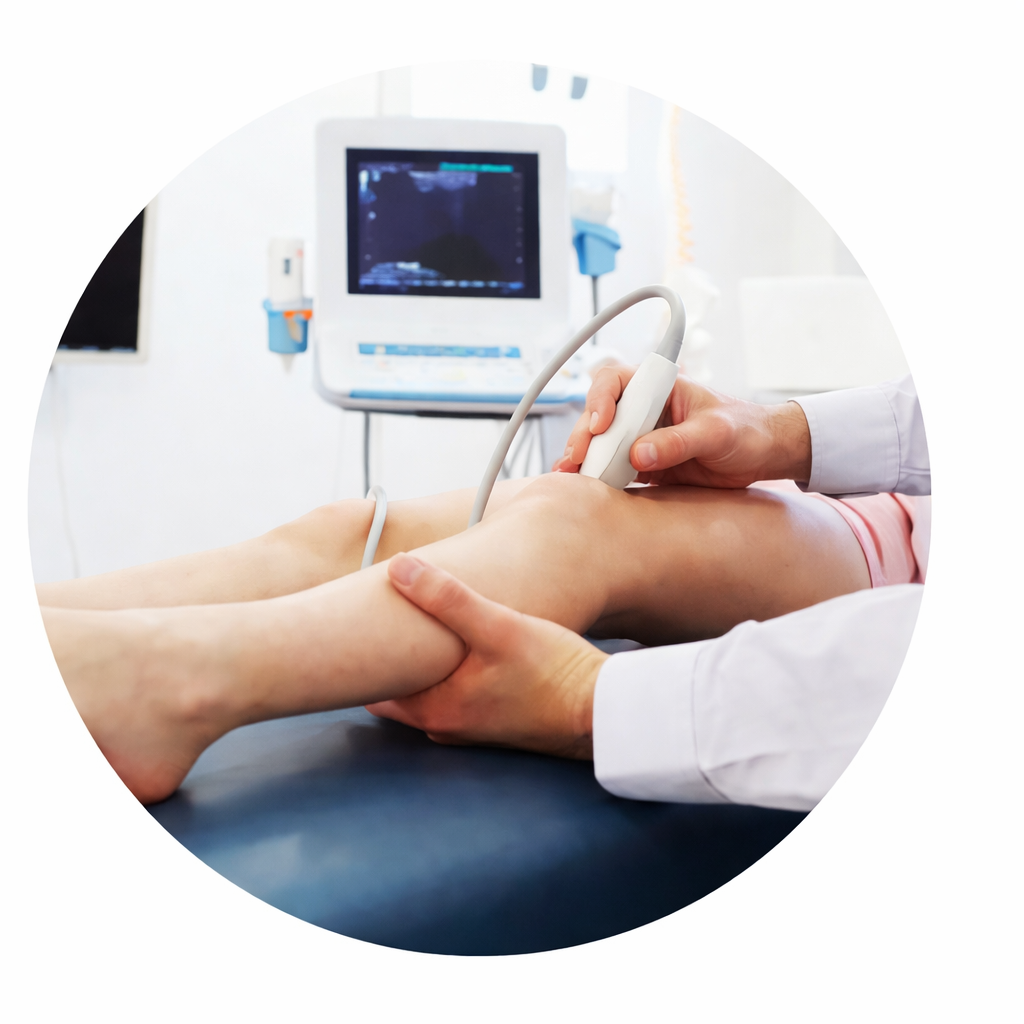
A Doppler scan is painless and usually takes 20 to 40 minutes. During the procedure, a gel is applied to the skin, and a handheld probe is moved over the area being examined. The device sends sound waves into the body and receives echoes reflected from moving blood cells. These signals are converted into images and sound patterns that represent blood flow.
Since the test is non-invasive, it does not require anaesthesia or special preparation in most cases.
Benefits of Doppler Scan
Doppler scanning is safe, accurate, and repeatable, making it ideal for both diagnosis and follow-up of vascular conditions. It helps detect problems early, monitor disease progression, and evaluate treatment outcomes after procedures such as angioplasty or surgery.
Conclusion
A Doppler scan is an essential diagnostic tool for assessing blood circulation and detecting vascular disorders such as arterial blockages and DVT. Its non-invasive nature, accuracy, and safety make it a preferred investigation in vascular care. Early diagnosis through Doppler imaging allows timely treatment, helping prevent complications and ensuring better long-term vascular health.