
Leg Bypass Surgery: Restoring Blood Flow to the Lower Limbs
Blockages in the leg arteries commonly develop due to atherosclerosis, a condition in which fatty deposits cause the arteries to harden and narrow over time. As the disease progresses, blood flow becomes insufficient to meet the oxygen needs of the leg muscles and tissues, leading to symptoms such as pain, fatigue, or non-healing wounds.
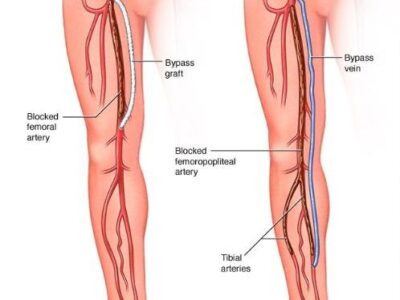
Leg bypass surgery is performed to restore proper blood circulation when arterial blockages are severe. During this procedure, a vascular surgeon creates an alternate route for blood flow around the blocked artery. This is done by using a graft, which may be a healthy vein taken from the patient’s own body or a specially designed synthetic tube.
Understanding Arterial Blockages in the Legs
What Causes Leg Artery Disease?
Blockages in the leg arteries commonly develop due to atherosclerosis, a condition in which fatty deposits cause the arteries to harden and narrow over time. As the disease progresses, blood flow becomes insufficient to meet the oxygen needs of the leg muscles and tissues, leading to symptoms such as pain, fatigue, or non-healing wounds.
Leg bypass surgery is performed to restore proper blood circulation when arterial blockages are severe. During this procedure, a vascular surgeon creates an alternate route for blood flow around the blocked artery. This is done by using a graft, which may be a healthy vein taken from the patient’s own body or a specially designed synthetic tube.
What Is Leg Bypass Surgery?
How the Procedure Works
Leg bypass surgery creates an alternative route for blood to flow around a blocked artery. Instead of removing the blockage, the vascular surgeon constructs a new pathway using a graft. This graft may be a section of the patient’s own vein, usually taken from the leg, or a synthetic tube made from medical-grade material.
The graft is carefully connected above and below the blocked segment of the artery. Once in place, blood is redirected through this new channel, effectively bypassing the obstruction and restoring circulation to the lower limb.
Types of Grafts Used in Leg Bypass Surgery
Natural and Synthetic Grafts
Whenever possible, surgeons prefer using the patient’s own vein, as it tends to have better long-term durability and compatibility. However, in cases where a suitable vein is unavailable, a synthetic graft can be used safely and effectively. The choice of graft depends on the location of the blockage, the patient’s overall health, and the condition of the blood vessels.
When Is Leg Bypass Surgery Recommended?
Indications for Surgery
Leg bypass surgery is typically recommended when arterial blockages are severe and symptoms cannot be controlled with medications or lifestyle changes alone. It is often advised for patients experiencing critical limb ischemia, which includes constant leg pain, ulcers, or tissue damage due to poor circulation.
The goal of surgery is not only to relieve symptoms but also to preserve limb function and prevent amputation. A thorough vascular evaluation, including imaging studies such as Doppler ultrasound or angiography, helps determine whether bypass surgery is the most appropriate treatment.
Benefits of Leg Bypass Surgery
By restoring blood flow, leg bypass surgery can significantly reduce pain, promote wound healing, and improve walking ability. Many patients experience a noticeable improvement in daily activities and overall quality of life following recovery. Improved circulation also reduces the risk of future infections and tissue loss in the affected limb.
Recovery and Long-Term Outcomes
Life After Surgery
Recovery from leg bypass surgery varies depending on the extent of disease and the patient’s general health. Most patients are encouraged to gradually resume physical activity under medical guidance. Long-term success depends on maintaining healthy lifestyle habits, such as quitting smoking, managing diabetes, controlling cholesterol levels, and adhering to prescribed medications.
Regular follow-up visits are essential to monitor graft function and ensure continued blood flow. With proper care and timely intervention, leg bypass surgery can offer durable results and long-term limb preservation.