
Management of Swollen Legs/DVT: Comprehensive Care and Prevention
Deep vein thrombosis (DVT) is a condition in which a blood clot forms in one of the deep veins, most commonly in the legs. This can lead to symptoms such as swelling, pain, and a feeling of heaviness in the affected limb. If left untreated, DVT can result in serious complications, including pulmonary embolism, where a clot travels to the lungs and obstructs blood flow.
Swollen legs are a common sign of DVT, and early recognition is crucial for effective treatment. Management typically involves compression therapy, including the use of compression stockings, which help improve blood flow, reduce swelling, and prevent clot progression.
Although uncommon, one of the most serious risks of DVT is when a clot dislodges from the leg and travels to the lungs. This makes timely diagnosis, careful monitoring, and appropriate treatment essential to prevent life-threatening complications.
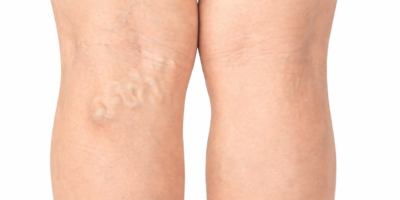
Recognising the Symptoms of DVT
The first step in the management of swollen legs/DVT is recognising the warning signs. Common symptoms include:
-
-
- Swelling in one leg, often around the calf or thigh
- Pain, tenderness, or a feeling of heaviness in the leg
- Red or discoloured skin
- Warmth in the affected area
-
It’s important to note that some people may develop DVT without noticeable symptoms. Therefore, high-risk individuals, such as those with a history of blood clots, recent surgery, prolonged immobility, or certain medical conditions, should be vigilant.
Effective Treatment Options
The management of swollen legs/DVT involves a combination of medical interventions, lifestyle changes, and supportive therapies. Key approaches include:
-
- Compression Therapy – Compression stockings or bandages help improve blood flow, reduce swelling, and relieve discomfort. They are a cornerstone in managing leg swelling caused by DVT.
- Medications – Anticoagulants, commonly known as blood thinners, prevent existing clots from growing and reduce the risk of new clots forming. Timely medical treatment significantly lowers the chance of serious complications.
- Lifestyle Modifications – Staying active, avoiding prolonged sitting or standing, maintaining a healthy weight, and staying hydrated all support proper circulation and prevent clot formation.
- Monitoring and Follow-Up – Regular check-ups and imaging tests, such as Doppler ultrasound, help track clot resolution and ensure treatment effectiveness. Ongoing care is crucial for reducing long-term complications.
Preventing Complications
One of the most serious risks of DVT is the clot travelling to the lungs, causing a pulmonary embolism. This makes the timely management of swollen legs/DVT critical. By combining medical treatment, compression therapy, and lifestyle adjustments, patients can minimise risks and promote healthy blood flow.
Patient Education and Awareness
Education is a vital component of the management of swollen legs/DVT. Patients should be aware of symptoms, treatment options, and preventive strategies. Knowing when to seek medical attention can save lives and prevent serious complications.
Conclusion
The management of swollen legs/DVT requires a comprehensive approach that addresses symptoms, prevents clot progression, and reduces complications. Compression therapy, anticoagulant medications, lifestyle modifications, and regular medical follow-up form the foundation of effective care. Early detection and proactive treatment ensure improved leg health, reduced discomfort, and enhanced overall well-being.
If you experience persistent swelling, pain, or redness in your legs, consulting a vascular specialist promptly is essential. Expert guidance ensures accurate diagnosis, personalised treatment, and safe recovery, giving you confidence in the management of swollen legs/DVT.